Food, Feelings and Emotional Eating in Young Children

When I was a child, my grandmother always gave me a lolly when I came inside with a grazed, bloody knee. It was her way of comforting me. And it worked. The tears stopped, the pain seemed a little less and, most importantly, I felt cared for.
Even today, part of me still believes that a piece of chocolate can make a difficult day slightly easier. This connection between food and comfort is sometimes described as emotional eating, and it can begin forming during early childhood. Of course, one lolly after a fall does not determine our future relationship with food. But small moments like this show how early we begin connecting certain foods with comfort, reassurance and love. Our surroundings matter. So do our routines and the responses of the adults caring for us.
How, then, can we give young children the comfort they need while also helping them develop a positive and confident relationship with food?
What is emotional eating in young children?
Food is about far more than nutrition. It brings people together, carries family traditions and has a place at birthdays, celebrations and ordinary family dinners. Food can also be comforting. A familiar taste, smell or texture may help a young child feel safe when they are tired, worried or overwhelmed. Emotional eating describes eating in response to those feelings rather than physical hunger. A child might suddenly ask for a particular snack when they feel bored, unsettled, frustrated or sad. Other children respond to strong emotions differently and temporarily lose their appetite. Neither response automatically means there is a problem.
Babies, toddlers and preschool-aged children are still learning to recognise signals from their bodies. They are also only beginning to find words for complex feelings. A four-year-old probably will not say, “Childcare felt really busy today and I need some quiet time.” They simply know that a familiar snack feels good. The occasional comfort food is not something families need to fear. It is the overall pattern that matters, not an individual lolly, biscuit or bowl of ice cream.
How early experiences shape eating habits
Children learn about food through thousands of small experiences during their first six years. Babies communicate hunger and fullness through their bodies. Toddlers begin to understand the rhythm of meals and snacks. By the preschool years, children are also learning about family traditions, celebrations and the way adults describe different foods.
- They notice what happens when they are upset.
- They see how adults respond when they refuse to eat.
- They sense whether mealtimes are enjoyable or tense.
Children might also begin to connect food with reward or emotional relief when they regularly hear:
- “You can have dessert if you behave.”
- “If you finish everything on your plate, you can have a treat.”
- “You’ve had a hard day. Let’s buy something sweet.”
These words usually come from a place of care. Food is available, it often works quickly and it may be closely connected with our own childhood memories. When a toddler is crying or a preschooler has had a difficult day, offering something they enjoy can feel like the most natural thing in the world. Research suggests that the relationship between adult feeding practices and children’s eating behaviours is complex. An Australian study involving 323 mothers and young children found associations between emotional or reward-based feeding and the later development of behaviours including emotional eating and overeating. It also found that children’s existing eating behaviours could influence how their parents responded. In other words, the relationship can go both ways. This is not about blaming families. (Rodgers et al., 2013) It is about becoming more aware of the patterns that can develop over time.

Is my child hungry or looking for comfort?
There is no perfect test, especially when babies and toddlers cannot yet explain what they are feeling. Nor do parents need to analyse every request for food. A young child’s appetite can change considerably from one day to the next. Growth spurts, physical activity, sleep, illness and what they ate earlier can all make a difference. Depending on the child’s age, signs of physical hunger might include:
- Watching other people eat or showing interest in food
- Reaching or pointing towards food
- Saying their tummy feels empty or is rumbling
- Becoming unsettled, tired or unable to concentrate
- Accepting a choice of familiar foods rather than requesting only one item
Signs of fullness can be just as varied:
- Slowing down
- Closing the mouth or turning the head away
- Pushing a spoon or plate aside
- Losing interest in the meal
- Saying “all done”
- Wanting to leave the table
Emotional hunger can feel more sudden. It might appear after a separation, disappointment, disagreement or tiring day. The child may be focused on one particular food, even though they have recently eaten. For a preschool-aged child, you could ask:
“You’re asking for something to eat. Is your tummy feeling hungry, or has today felt a bit tricky?” Toddlers might need simpler words: “Hungry tummy, or do you need a cuddle?” This is not about testing your child or deciding whether their hunger is real. If they communicate that they are hungry, trust them and offer food. Over time, these gentle conversations can help children notice the difference between the signals coming from their bodies and the feelings they are experiencing.
Connection before correction
A young child in the middle of a big emotion is not ready for a long explanation. First, they need to feel safe and understood.
Sometimes a simple observation is enough:
- “That was disappointing.”
- “You’ve had a big day.”
- “You’re frustrated because the blocks fell down.”
- “You felt sad when Dad left.”
- “You’re tired and everything feels difficult right now.”
Naming what is happening gives children language for their experience. Slowly, through repetition, stories, expressions and conversations with trusted adults, they learn to recognise these feelings for themselves. Then you can work out what they need together. They might be hungry. Or they may need closeness, movement, quiet time or simply a few uninterrupted minutes with you.
Create a comfort toolkit for little people
Food can remain one enjoyable source of comfort. The aim is not to remove it completely, but to help children discover that there are many ways to feel calm, safe and connected. Your child’s comfort toolkit might include:
- Having a cuddle or sitting with a trusted adult
- Reading a familiar story
- Holding a favourite comfort toy
- Drawing, painting or playing with playdough
- Dancing to a favourite song
- Running, climbing or playing outdoors
- Blowing bubbles
- Taking a few slow “smell the flower, blow out the candle” breaths
- Resting in a cosy, quiet place
- Playing with water or another sensory experience
- Helping to wash vegetables or stir the next meal
Some children need to move. Others need quiet, closeness or sensory play. What helps on Monday might not be what they need on Thursday. When a child is already overwhelmed, too many choices can make things harder. Try offering two: “Would you like a cuddle or some quiet drawing?” That keeps the moment simple.
Give meals and snacks a familiar rhythm
Young children tend to feel safer when their day has some predictability. Regular meals and snacks reassure them that another opportunity to eat is coming. This does not mean following the clock rigidly or making a genuinely hungry child wait. It means creating enough structure for food to feel dependable rather than uncertain.
One study involving parents of children aged one to ten found that mealtime structure and responsive feeding were associated with less food fussiness and greater enjoyment of food. The researchers noted that the study could not prove cause and effect, but its findings support the value of predictable, relaxed eating environments. (Finnane et al., 2017) The Australian Government’s Get Up & Grow resources also provide evidence-based guidance to help families encourage healthy eating during the early years. For toddlers and preschoolers, a helpful balance is for adults to decide:
- What food is offered
- When it is offered
- Where it is eaten
The child can then decide:
- Whether they want to eat
- Which of the offered foods they would like to try
- How much they need
Adults provide the structure. Children are given the space to listen to their hunger and fullness cues.
Rethink food as a reward
Rewards can feel especially useful during the toddler and preschool years. A promised treat might get the toys packed away, shoes put on or dinner finished.
It works. At least for the moment. Over time, however, “You can have dessert if you behave” may make dessert seem more exciting and valuable than the other food on the table. It can also teach children to complete an activity primarily to receive food. Australian research following children from two to five years found that greater use of food as a behavioural reward predicted increased responsiveness to food cues over time. The research also reinforced that adult feeding practices and children’s eating behaviours can influence each other. (Jansen et al., 2018) There are plenty of other ways to notice a young child’s effort, cooperation or kindness:
- Let them choose the bedtime story
- Sing a favourite song together
- Play a family game
- Spend extra time at the park
- Let them select the music in the car
- Use a sticker or stamp
- Offer specific praise, such as, “You kept trying even when that was difficult.”
Food can, of course, still be part of joyful occasions and family celebrations. It simply does not need to become the automatic reward for good behaviour.
Talk about food in simple, neutral ways
Young children can take our words very literally. When adults describe food as “good”, “bad” or “naughty”, children may begin to think that eating it makes them good, bad or naughty too. Keep the language simple, positive and interesting:
- “This carrot is crunchy.”
- “Rice gives our bodies energy to play.”
- “This soup helps us feel warm.”
- “Birthday cake is something we enjoy when we celebrate.”
- “This strawberry tastes sweet.”
- “Our bodies need lots of different foods.”
Children under six can learn about flavours, textures, variety and nutrition without worrying about weight. Try not to comment on how much they have eaten or connect their choices with body size. They also listen closely to how adults talk about their own bodies and food. Phrases such as “I was bad today” or “I need to work this off” can introduce guilt into a young child’s understanding of eating.
Instead, let them hear:
- “I’m hungry, so I’m going to eat.”
- “That was delicious, and my tummy feels full.”
- “I’m feeling worried, so I’m going to take a few breaths.”
- “All bodies need food, rest and movement.”
Nobody will get this right every time. Nor do we need to. Correcting yourself can be valuable too: “I called that food naughty, but food isn’t naughty. Different foods give our bodies different things.”
Bring Future Foodies into your kitchen
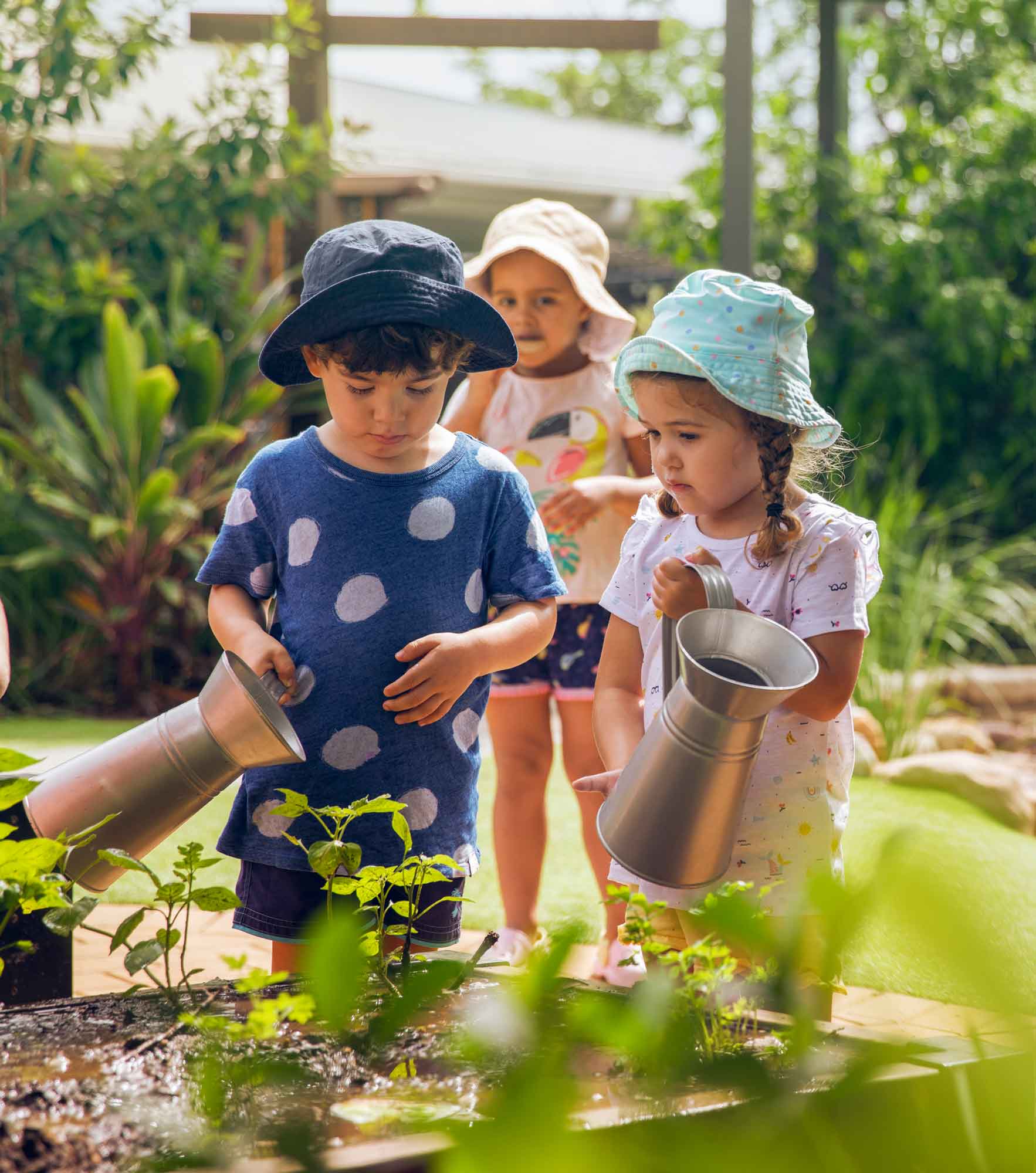
Preparing food together is a lovely way to help young children feel curious and confident around food. They do not need to cook an entire meal. Washing vegetables, tearing herbs, stirring ingredients or arranging food on a plate all count. These simple tasks invite children to explore colour, texture, smell and flavour without any pressure to eat. Journey families are always welcome to speak with their centre chef and ask for nourishing, family-friendly recipes to prepare at home. Our chefs can suggest dishes inspired by meals the children enjoy through our Future Foodies program. Then comes the fun part: making the recipe together. Cooking also creates natural opportunities to talk about the goodness found in different ingredients and how it helps our bodies grow and stay healthy:
- “Carrots contain vitamin A, which helps look after our eyes.”
- “Beans contain protein, which helps our bodies grow.”
- “Wholegrains give us energy to play and learn.”
- “Yoghurt contains calcium, which helps build strong bones and teeth.”
- “Fruit and vegetables give our bodies many different vitamins and minerals.”
These conversations do not need to become a nutrition lesson. Keep them short and connected to what your child can see, touch, smell and taste.Most importantly, cooking together creates another positive connection with food. The experience is about curiosity, contribution and spending time together, not simply what or how much the child eats.
What might this look like after childcare?
Imagine your four-year-old arrives home after a busy day and immediately asks for biscuits. Start with what you can see: “You look tired. Was today a big day?”
Then consider whether they might also be physically hungry: “It has been a while since afternoon tea. Let’s choose something to eat and sit together.” A small snack may be entirely appropriate, even if dinner is not far away. Young children have small stomachs and often need regular opportunities to eat. If they have only just eaten, you can offer another form of comfort without making the biscuits forbidden or unusually special: “The biscuits will still be there for another time. Right now, would you like a cuddle or to draw with me?” It is a small shift in the response. Yet it acknowledges the child’s feelings, maintains a familiar food rhythm and avoids shame.
Growing confident and curious eaters
Supporting healthy eating and emotional wellbeing during the first six years is not about removing treats, celebrations or comforting family traditions. My grandmother’s lolly was, above all, an expression of love. We can add to moments like this. We can offer the lolly alongside a cuddle, listen to what happened and help children find a word for the feeling behind their tears. In doing so, we show them that comfort can take many different forms. Through our Future Foodies program, babies, toddlers and preschoolers experience food as a positive and enjoyable part of their day. Shared meals, varied flavours and relaxed conversations invite children to explore ingredients, notice their bodies and connect with the people around them. These moments may seem small. Together, they can help children build a relationship with food shaped by curiosity, confidence and trust.