Different Early Learning Approaches Explained

A Parent’s Guide to Early Childhood Education Philosophies in Australia
Choosing the right early learning centre can feel like a big decision. Especially when you start hearing terms like Montessori, Reggio Emilia, Steiner or play-based learning.
Suddenly, every centre seems to describe their approach differently.
And naturally, many families begin asking:
What do these philosophies actually mean?
What is the difference?
And which approach is right for my child?
The truth is, there is no single “perfect” philosophy for every child or family. Different early learning approaches place emphasis on different educational priorities, teaching methods and learning environments.
What matters most is finding a place where your child feels safe, supported and genuinely encouraged to grow and learn.
At Journey Early Learning, our educational approach is grounded in play-based learning and guided by the Australian Early Years Learning Framework (EYLF). We believe children learn best through strong relationships, exploration, real-life experiences and meaningful opportunities to discover the world around them.
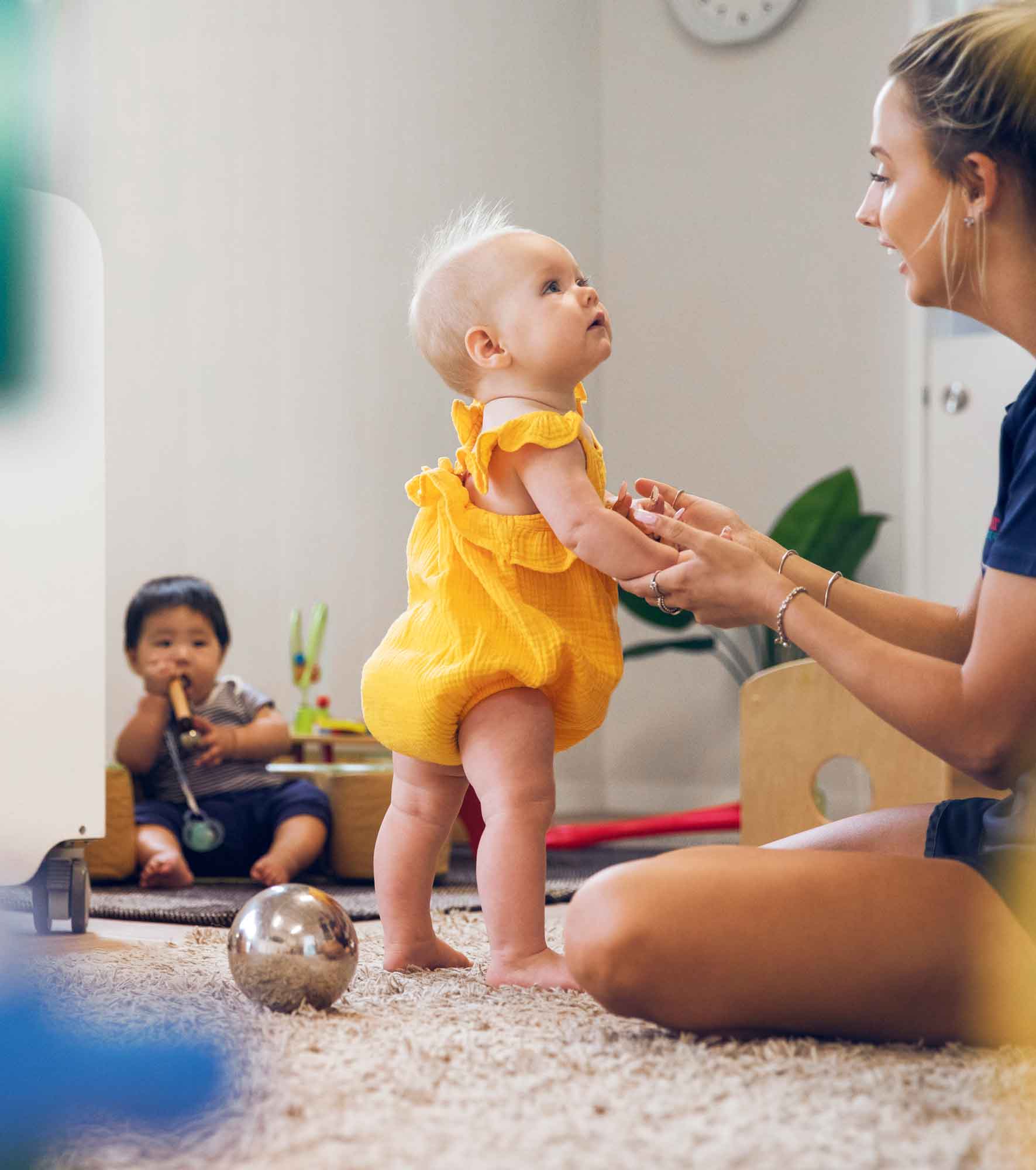
Relationships are at the centre of how young children learn and develop. Research consistently shows that secure, responsive relationships play a vital role in brain development, emotional wellbeing, communication and the development of lifelong learning skills. When children feel safe, connected and genuinely supported, they are more confident to explore, take risks, ask questions and engage deeply in learning.
This understanding strongly shapes why we value play-based learning. Through meaningful interactions, shared experiences and responsive guidance from trusted educators, children build the confidence, curiosity and capabilities that support their growth and development in a natural and holistic way.
What Is Play-Based Learning?
Play-based learning is the foundation of the Australian Early Years Learning Framework (EYLF) and shapes the way we support children’s learning, development and wellbeing at Journey Early Learning.
Sometimes, families hear the word “play” and wonder:
“But are they actually learning?”
Absolutely.
In early childhood, play is one of the most important ways children develop skills, confidence and understanding of the world around them.
When children build towers, create imaginary worlds, investigate insects outdoors, paint, role-play or ask endless questions, they are developing essential foundations for lifelong learning.
Through play, children build:
- language and communication skills
- confidence and independence
- early literacy and numeracy understanding
- creativity and problem-solving skills
- resilience and emotional regulation
- social skills and friendships
Research consistently shows that young children learn best through active, engaging and meaningful experiences.
The Australian Education Research Organisation (AERO) – Play-Based Learning and Intentionality describes play as foundational to quality early childhood education and care, supporting children’s learning, development and wellbeing.
The Early Years Learning Framework (EYLF) V2.0 also recognises play-based learning as essential for supporting children’s identity, wellbeing, communication and connection to community.
At Journey, play-based learning is highly intentional.
Our educators carefully create environments and experiences that encourage children to explore, investigate, create and grow with confidence.
A simple block-building experience may support:
- early maths and engineering thinking
- teamwork and communication
- resilience and persistence
- creativity and spatial awareness
A dramatic play setup might strengthen:
- language and storytelling
- emotional expression
- social confidence
- understanding of the world around them
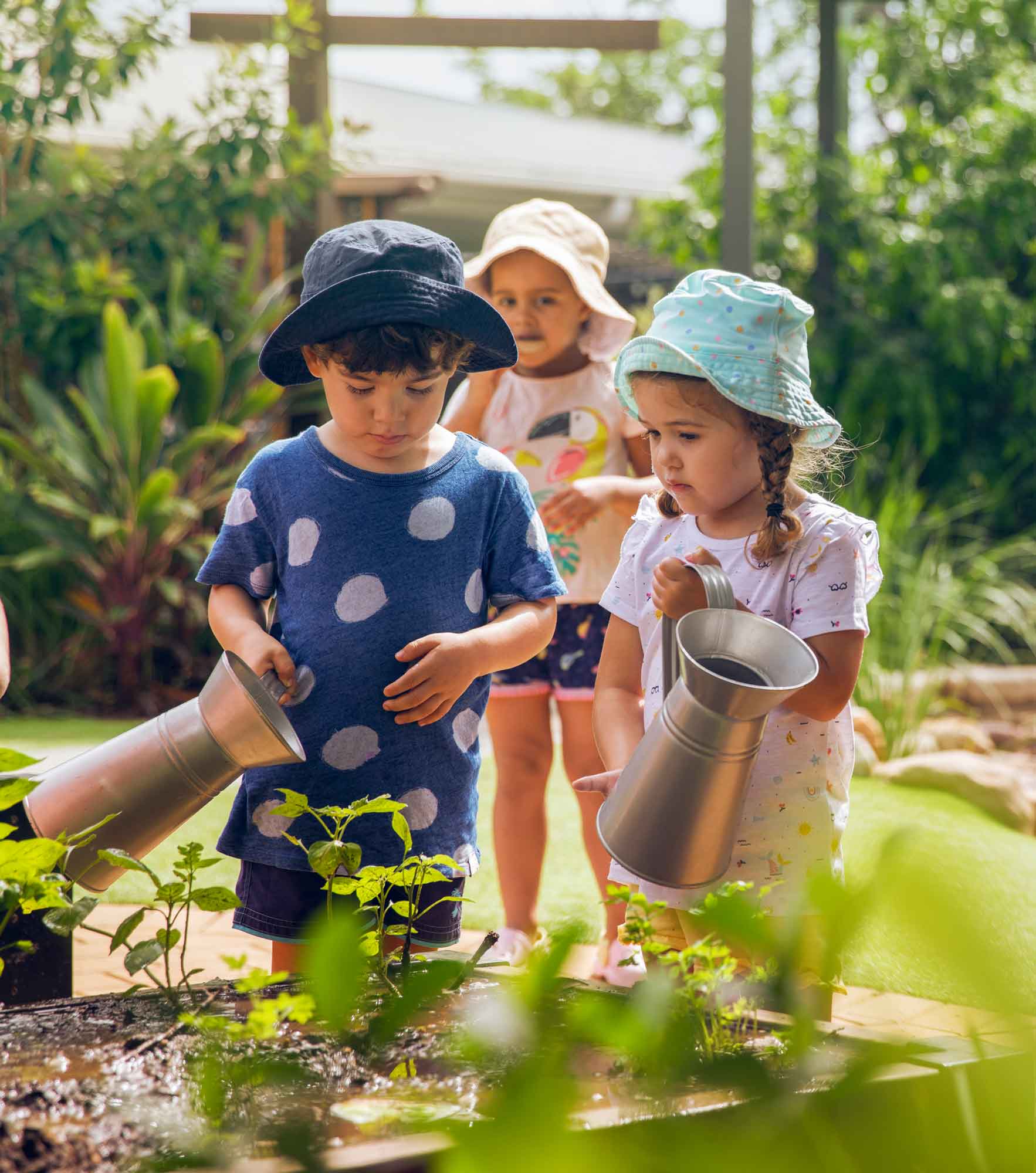
Outdoor experiences encourage children to:
- take healthy risks
- build physical confidence
- strengthen coordination
- connect with nature and community
These learning moments may look simple from the outside, but behind every experience sits thoughtful planning, educational knowledge and genuine care for each child’s development.
Most importantly, children are learning while feeling engaged, supported and connected.
At Journey Early Learning, we see every day how powerful play can be.
- We see children build confidence after trying something new.
- We see friendships form through shared experiences.
- We see curiosity spark conversations, creativity and problem-solving.
- We see children asking questions, investigating ideas and exploring their own interests through inquiry-based learning experiences that encourage deeper thinking and discovery.
Through play and inquiry, children are not simply absorbing information. They are actively making sense of the world around them, developing independence, critical thinking skills and a genuine love of learning.
And we see children developing the social, emotional and learning foundations that support a confident transition into school and beyond. Because when learning feels meaningful, connected and joyful, children naturally become active, capable and confident learners.
How Journey Supports School Readiness
At Journey Early Learning, our signature school readiness approach, Kinder+, is built on the understanding that school readiness is about much more than academic skills alone.
We focus holistically on supporting each child’s:
- confidence
- independence
- communication
- emotional wellbeing
- curiosity
- social connections
- love of learning
Through play-based learning and intentional teaching, children are supported to develop the skills and dispositions that help them transition confidently into school and beyond.
Rather than rushing children toward formal learning too early, we focus on creating strong foundations through relationships, exploration, creativity and meaningful learning experiences.
Every child develops differently. Our role is to guide, encourage and support that journey with warmth, care and intention.
Other Early Learning Approaches Explained
Families researching early childhood education may also come across a number of other educational philosophies and learning approaches.
Here is a simple overview of some of the most recognised approaches.
Montessori Education
The Montessori approach was developed by Maria Montessori and focuses on independence, self-directed activity and hands-on learning.
In Montessori settings, children are often encouraged to:
- work independently
- repeat activities at their own pace
- develop practical life skills
- use specific learning materials designed for self-correction
Montessori programs typically follow structured classroom setups with a strong focus on routine, concentration and independent learning.
Reggio Emilia Approach
Originating in Reggio Emilia, the Reggio Emilia approach focuses on collaboration, creativity and project-based learning.
This philosophy often includes:
- child-led investigations and projects
- open-ended learning materials
- collaborative learning experiences
- documentation of children’s learning
- strong involvement of educators and families
The learning environment is often intentionally designed to encourage exploration, communication and creative thinking.
Steiner (Waldorf) Education
Steiner education, also known as Waldorf education, was founded by Rudolf Steiner and places emphasis on creativity, rhythm, imagination and connection to nature.
Steiner-inspired environments may include:
- natural materials and simplified learning spaces
- storytelling and imaginative play
- music, movement and art experiences
- consistent daily routines
- limited use of technology in early childhood
The approach generally focuses on supporting children’s holistic development through creative and sensory experiences.
Nature-Based Learning
Nature-based learning focuses on outdoor experiences and connection with the natural environment.
Those programs may include:
- Bush Kinder experiences
- outdoor classrooms
- gardening and sustainability projects
- climbing and risky play opportunities
- regular exploration of natural environments
Research continues to show that outdoor play supports children’s resilience, physical wellbeing, confidence and problem-solving skills. Early Childhood Australia – Intentional Teaching and Purposeful Play.
At Journey Early Learning, outdoor learning experiences also form an important part of many children’s daily routines, supporting exploration, movement, curiosity and connection with the world around them.
Choosing the Right Early Learning Approach for Your Family
Every family is different. Every child is different too.
While families may be drawn to different educational philosophies and learning approaches, there are often some shared hopes that sit at the centre of every childcare search. All children have the right to feel safe, supported, respected and genuinely cared for within an early learning environment.
For many families, that is where the journey begins.
From there, the decision often becomes more layered. Families begin thinking about their own beliefs around how children learn and develop, what kind of environment feels right for their child and what experiences they hope early learning will provide.
Some families may feel strongly connected to one educational philosophy. Others may simply be searching for a place where their child feels happy, secure and confident to be themselves.
Because while educational approaches matter, the real experience children have each day often comes down to the people, the relationships and the sense of belonging they feel within a centre community.
When visiting early learning centres, it can help to look beyond brochures and educational terminology and instead focus on the everyday experience children are having within the environment. Asking questions and observing interactions can often provide families with the clearest sense of whether a centre feels right for their child.
Families may wish to consider:
- Do educators appear warm, responsive and genuinely engaged with the children?
- Do children seem calm, confident and connected within the environment?
- Are learning experiences inviting, meaningful and reflective of children’s interests?
- Does the centre communicate openly and build strong partnerships with families?
- Are safety, wellbeing and relationships clearly prioritised?
- Does the environment feel welcoming, inclusive and aligned with your family values?
At Journey Early Learning, these are the foundations we strive to build every day through nurturing relationships, meaningful learning experiences and strong connections with families and our wider community. We believe children thrive when they feel genuinely safe, valued and supported by the people around them, and this sense of belonging sits behind everything we do.
At Journey Early Learning, we are proud to create environments where children are encouraged to explore, ask questions, build confidence and develop independence at their own pace.
Places filled with curiosity, creativity, connection and meaningful learning.
Because when children feel safe, supported and valued, learning happens naturally.
Looking for an Early Learning Centre That Feels Right for Your Family?
We would love to welcome you into one of our Journey Early Learning centres and show you how play-based learning comes to life each day through meaningful relationships, engaging environments and intentional teaching.
Whether you are beginning your childcare journey or exploring kindergarten options, our team is here to support you every step of the way.